-
MMM – Memos on Math/Music: This site lists memos on music and math by the site owner.
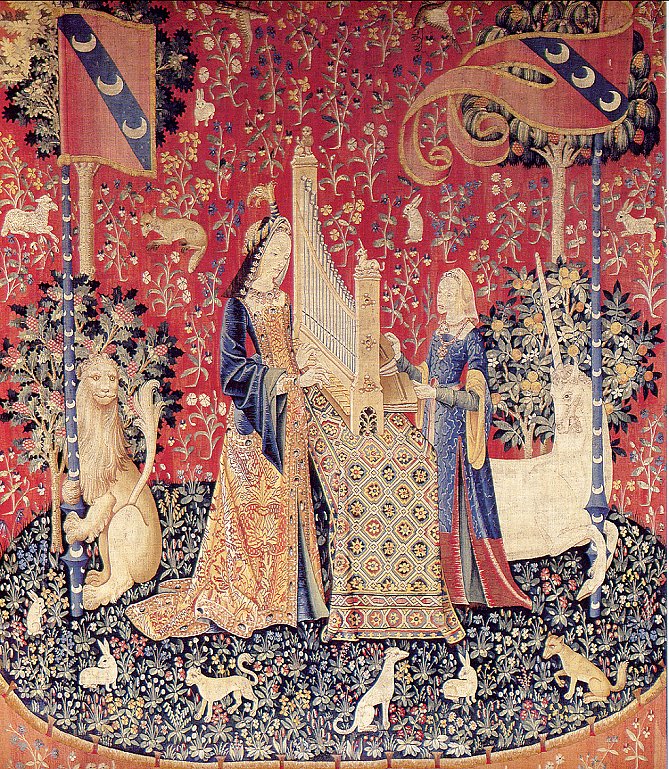
The music will be listed as mp3 files. Those files have a portrait of the composer as an eye-catcher:
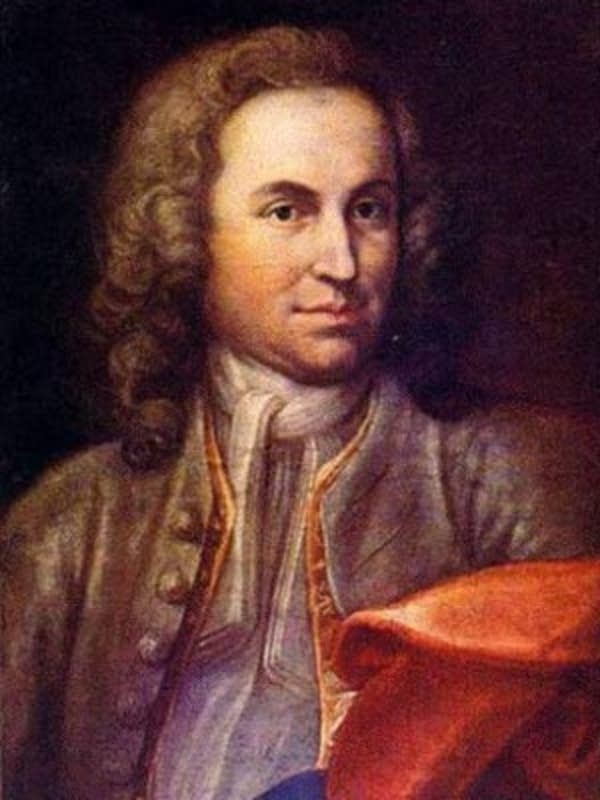
e.g., J. S. Bach’s music on periodic instrumentation has the following portrait,
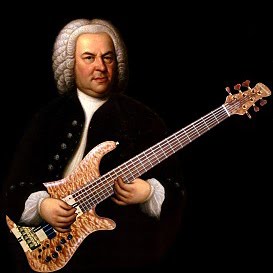
whereas modern interpretation of J.S. Bach’s music has the following portrait.
Many thanks from the site owner to MuseScore https://musescore.com/ without which he can never create mp3 files.
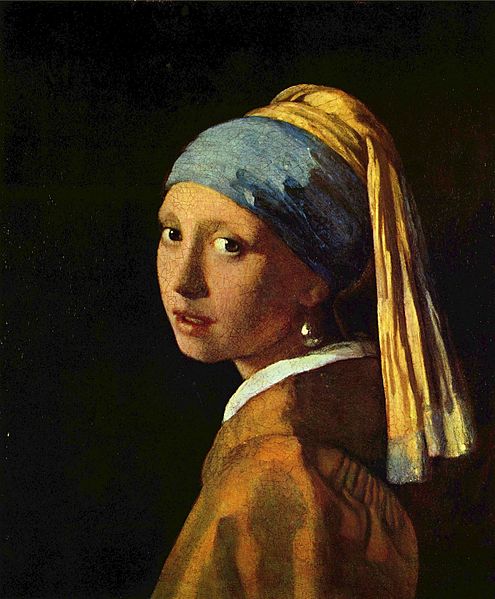
The math will be listed as PDF files. Some of them are typed using conventional word processors, and others are in LaTeX. Those files have “Girl with a Pearl Earring” by Johannes Vermeer as an eye-catcher: see below.
The site owner would like to express his appreciation to his cousin and the spouse (of the cousin) for suggesting that he should set up a site to list his “achievement” so far.
To view the content, click the URL line for each index below.
———————————————————————-
Index for the work by J. S. Bach
https://wordpress.com/post/mathmusic52.com/2030
———————————————————————-
Index for memo on mathematics
https://wordpress.com/post/mathmusic52.com/2038
Index for the work by D. Scarlatti
-
Finite groups with at most one subgroup of any order are cyclic.
It is evident that every cyclic group has at most one subgroup of any order. The attached memo proves the opposite assertion.
-
BWV 1059R: J. S. Bach “Harpsichord concerto No. 8” in D minor — A trial reconstruction by the site owner
Created using MuseScore 3.
Tuned with A = 415 Hz.
A trial reconstruction of the abandoned harpsichord concerto of J. S. Bach https://mathmusic52.com/2023/01/17/bwv-1059-j-s-bach-harpsichord-concerto-no-8-in-d-minor/ by the site owner based on Cantata BWV 35. He used:
- The opening sinfonia BWV35-a for the first movement.
- The second aria BWV 35-d for the second movement.
- The second sinfonia BWV 35-e for the third movement.
-
BWV 1059: J. S. Bach “Harpsichord Concerto No. 8” in D minor
Caveat: This work comprises the remaining fragment of nine bars only.
Created using MuseScore 3.
Tuned with A = 415 Hz.
The composer seems to have abandoned this concerto after transcribing only nine bars from the opening sinfonia of the cantata “Geist und Seele wird verwirret”, BWV 35. The second paragraph of the autograph manuscript indicates “Concerto a Cembalo solo, una Oboe, due Violini, Viola e Cont.”
-
BWV 1058: J. S. Bach “Harpsichord concerto No. 7” in G minor
Created using MuseScore 3.
Tuned with A = 415 Hz.
A harpsichord version of BWV 1041 https://mathmusic52.com/2022/12/22/bwv-1041-j-s-bach/. As with other transcription works, the composer changed the key form A minor to G minor in order to negotiate with the sound range of harpsichords of his days.
-
BWV 1057: J. S. Bach “Harpsichord concerto No. 6” in F major
Created using MuseScore 3.
Tuned with A = 415 Hz.
A harpsichord version of Brandenburg concerto No. 4 https://mathmusic52.com/2022/12/26/bwv-1049-j-s-bach-brandenburg-concerto-iv-in-g-major/.
The composer changed the key from G major to F major in order to negotiate with the sound range of harpsichords of his days.
-
BWV 1056: J. S. Bach “Harpsichord Concerto No.5” in F minor
Created using MuseScore 3.
Tuned with A = 415 Hz.
-
BWV 1055: J. S. Bach “Harpsichord Concerto No.4” in A major
Created using MuseScore 3.
Tuned with A = 415 Hz.
-
BWV 1054: J. S. Bach “Harpsichord Concerto No. 3” in D major
Created using MuseScore 3.
Tuned with A = 415 Hz.
A harpsichord version of BWV 1042, Edit Post ‹ MMM — WordPress.com.
Upon transcription, the composer changed the key to D major from the original E major in order to negotiate with the sound range of harpsichords of his days.
-
BWV 1053: J. S. Bach “Harpsichord Concerto” in E major
Created using MuseScore 3.
Tuned with A = 415 Hz.
-
BWV 1065: J. S. Bach “Concerto for four harpsichords” in A minor
Created using MuseScore 3.
Tuned with A = 415 Hz.
A transcription of the Concerto for 4 violins in B minor, Op. 3 No. 10, RV 580 , “L’estro armonico” by A. Vivaldi https://mathmusic52.com/2023/01/04/rv-580-a-vivaldi-concerto-in-b-minor-lestro-armonico-op-3/.
-
Subscribe
Subscribed
Have a WordPress.com account? Log in now.

